Skip to content

Mon–Fri 9am–5pm

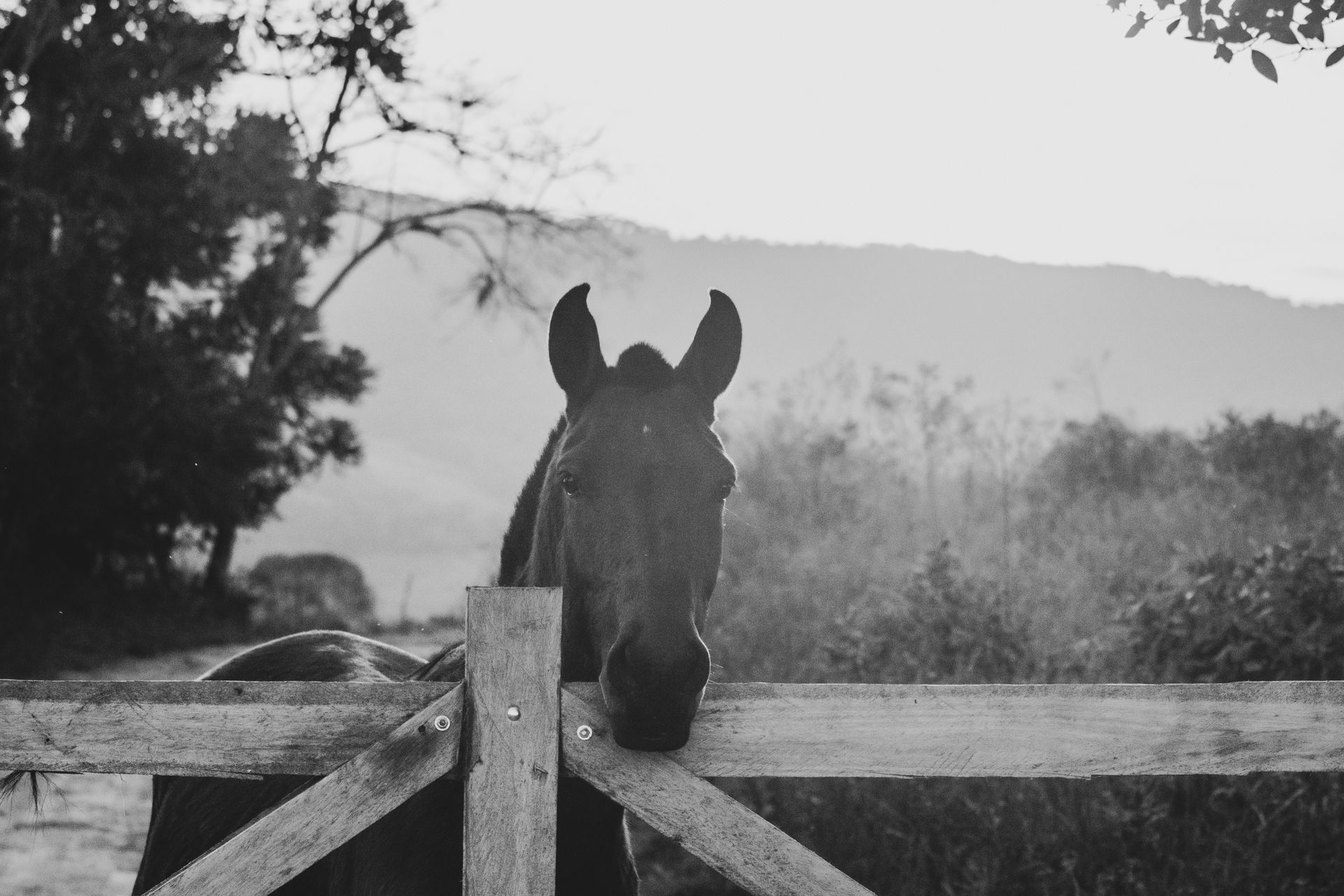
A horse beside a wooden fence on a foggy rural morning

Emergency

Horse emergency? Here's what to do.

During office hours, call the main line. Outside office hours, call the emergency line. If you're not sure it's urgent, call anyway.

Who to call

Which number to ring, and when

There are two numbers. Which one you use depends on the time of day.

During office hours

Monday–Friday, 9:00am–5:00pm

Call the main practice line. Tell us straight away that it's an emergency and we'll put it ahead of routine calls.

Placeholder number

Outside office hours

Evenings, nights, weekends

Call the emergency line. Have your horse's location and a description of the problem ready when you ring.

Is it an emergency?

When to call right away

If you're unsure, call. We'd much rather hear from you early.

Guidance is draft — vet to confirm

Call immediately if you see

  • Signs of colic: rolling, pawing, looking at the flank, not eating or passing droppings
  • Sudden severe lameness or refusing to bear weight on a leg
  • Deep wounds, heavy bleeding, or any wound near a joint or the eye
  • Choke: saliva or food coming from the nostrils, repeated stretching of the neck
  • Difficulty foaling, or a mare straining with no progress
  • Collapse, staggering, high fever or trouble breathing

While you wait for the vet

  1. 1Keep yourself safe first. A horse in pain can be unpredictable.
  2. 2Move the horse somewhere quiet and safe if it can walk comfortably.
  3. 3Don't give any medication unless the vet tells you to on the phone.
  4. 4Note what you've seen and when it started, and the temperature if you can take it safely.
  5. 5Have clear directions to the horse ready, and turn on outside lights after dark.

Not registered with us yet?

Registering ahead of time means we already have your details and your horse's history on file when every minute counts.

Register your horse

Main line 555-898-8989Emergency 555-000-0000